About Sleep & Nutrition Advice
Who writes and checks
An English-language editorial project that explains nutrition, healthy sleep and body care for readers in Finland, without hype and without pretending to be a clinic.
The reading asks one thing of you: check the reasoning before you change a habit.
An editorial team, not a clinic
Sleep & Nutrition Advice is run as a small editorial project with a clear brief: explain nutrition and lifestyle topics for people living in Finland, in English, without hype. We are not a clinic and we do not offer medical services.
The site is written and edited by people who follow Finnish public-health and nutrition guidance closely and translate it for an English-speaking audience. What we publish is reading material, built on Finnish national guidance and Nordic dietary patterns, written for readers who want to understand the reasoning behind a habit before they adopt it.
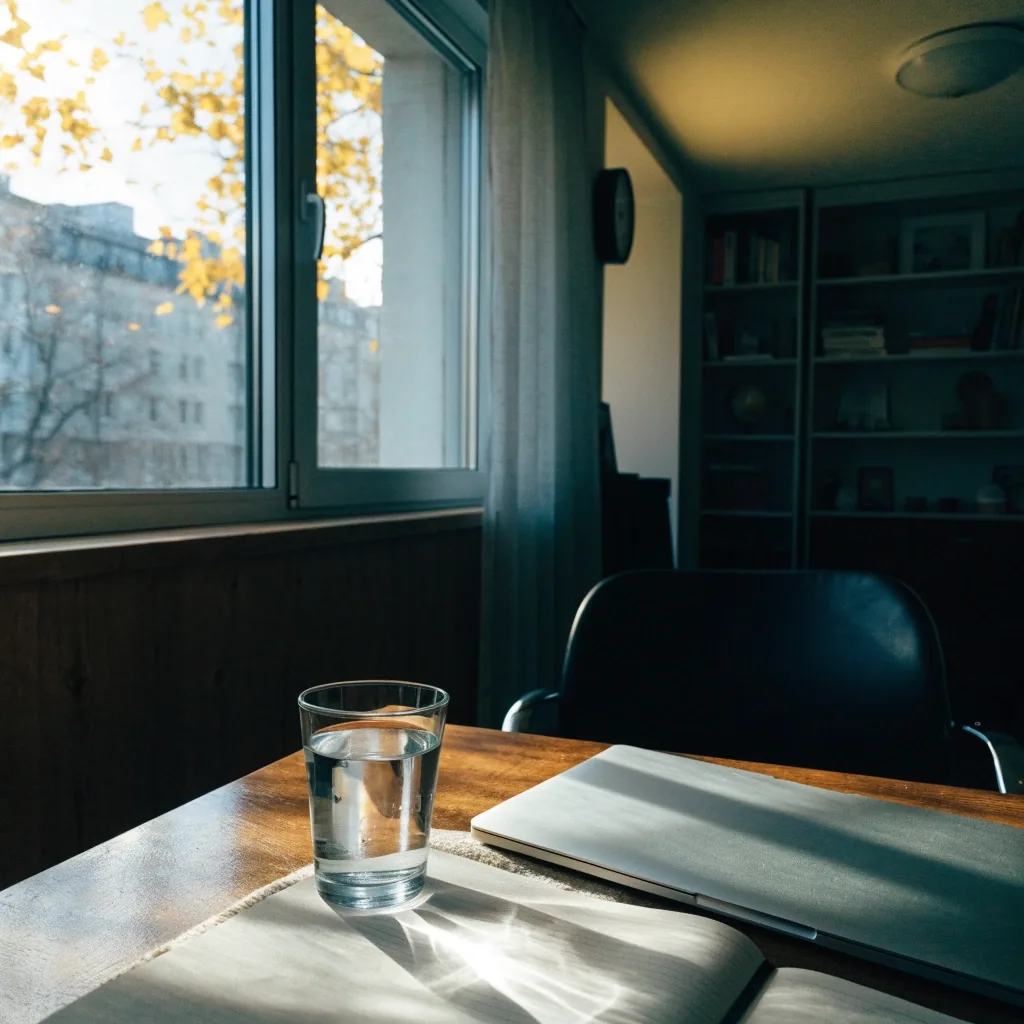
Where most of the work happens: reading the Finnish sources, then rewriting them in plain English.
We are not presenting ourselves as your treating clinician, and we do not diagnose. When a topic crosses into medical territory, we say so and point to the appropriate professional route. This boundary keeps the content honest and keeps the reading useful.
Where the facts come from
We name our sources in plain language rather than decorating articles with unsourced numbers. When a figure appears, you can trace what it describes and who published it.
- Finnish national nutrition recommendations Our food and nutrition content follows the national recommendations published by the Finnish Institute for Health and Welfare, which cover energy, nutrient intake and food choices. That is the backbone for pages on meals, plant-forward eating and portion habits.
- Finnish winter health guidance Seasonal and lifestyle pages draw on Finnish winter health guidance and Nordic patterns, especially around dark-season wellbeing, vitamin D and daily rhythm. Northern living shapes the advice more than any trend cycle does.
- International benchmarks For longer-term context on longevity and population health we use international benchmarks such as the OECD health profile for Finland. They help place a Finnish habit next to a wider picture, not to rank anyone.
Sources are described in the article that uses them. We do not decorate pages with reference lists the reader cannot follow.
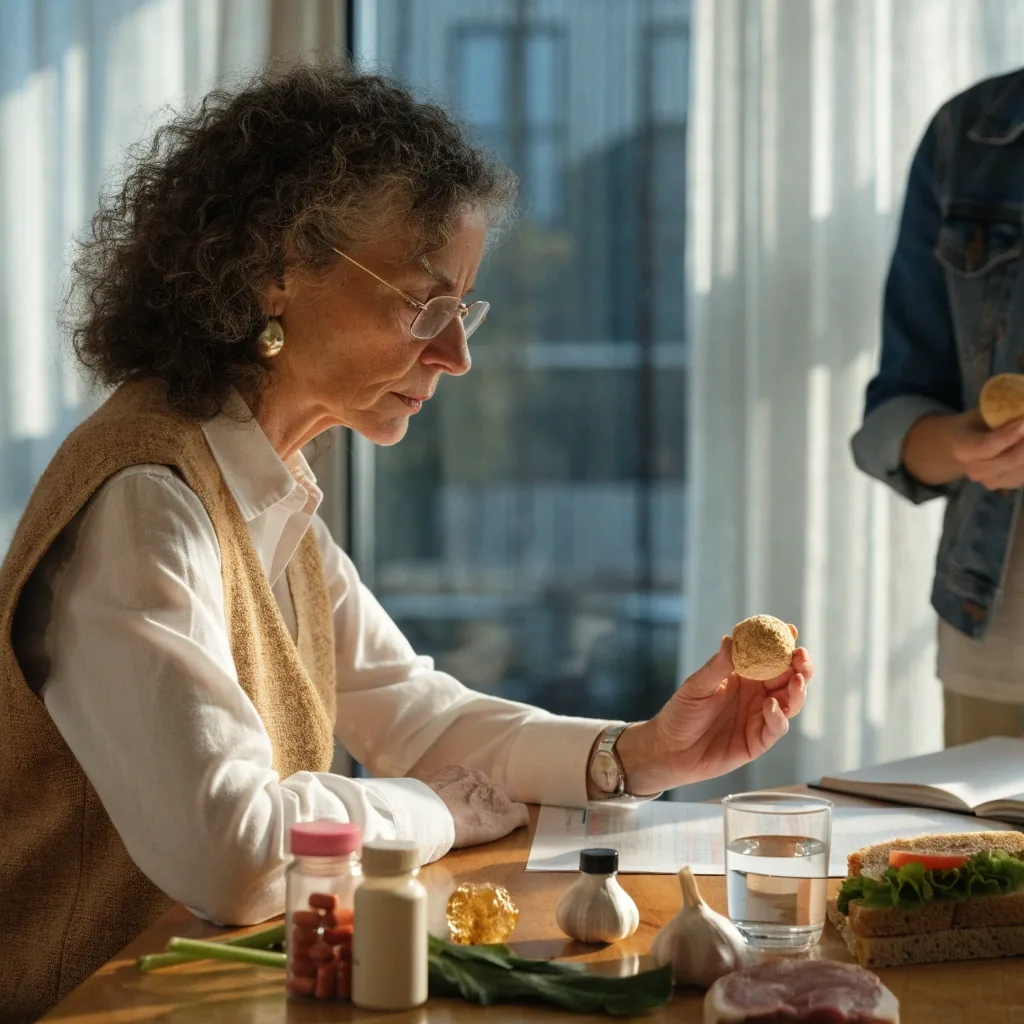
Why we avoid trend language: a page about vitamin D should tell you what Finnish winter guidance suggests, not that a supplement solves a season.
Why we avoid trend language
Wellness writing is full of words that sound strong and mean little. We try not to use them.
A page about sleep will talk about regular times, not about hacking your biology. A page about energy will describe meals, daylight and movement, not a shortcut. If a sentence would work equally well for a competitor site, it probably is not specific enough for this one.
That rule costs us headlines. It also means a reader who follows a suggestion can usually say why it was suggested, which is the point of an editorial resource rather than a shop.
Editorial independence
We do not accept payment to place products in articles, and we do not run transformation testimonials. There are no affiliate placements driving topic selection.
Topics are chosen from reader questions and from the gaps we notice in English-language coverage of Finnish habits.
If we ever add a commercial element, it will be labelled as such on the page where it appears.
Until then, the working assumption is that every recommendation exists because it is defensible against Finnish guidance.
How topics get chosen
Topic selection follows reader questions and the gaps we notice in English-language coverage of Finnish habits. Terms like vireystila and ateriarytmi are widely used in Finland but rarely explained in English, which makes them an obvious starting point.
Dark-season wellbeing, vitamin D and the jälkiruoka välipalaksi habit are similar. We pick topics where a plain explanation adds something a search result cannot.
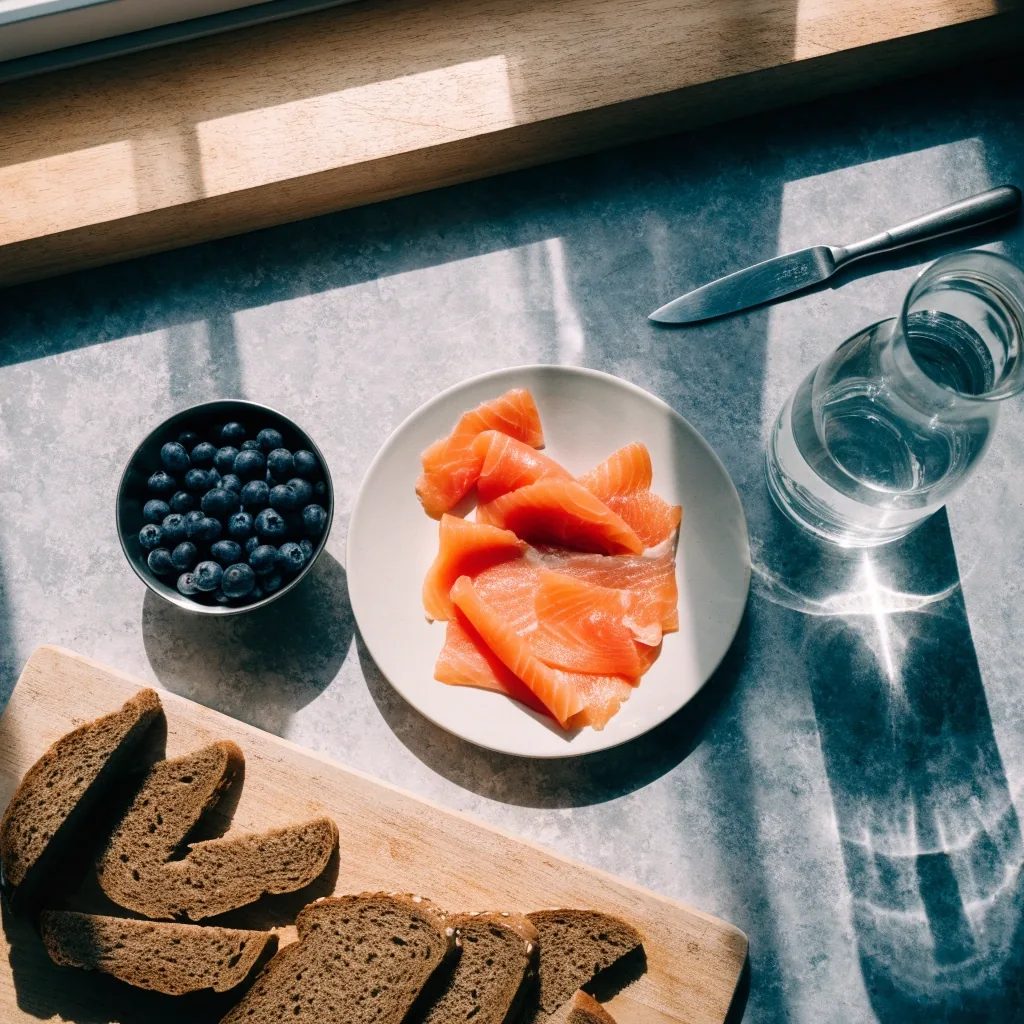
Everyday Finnish food, explained at the pace of an ordinary week rather than a challenge.
Dark-season wellbeing
What short daylight does to daily energy, and which routines Finnish guidance actually mentions for the winter months.
Fatigue prevention and energy
Meal rhythm, snacks and movement explained without promising that one habit ends tiredness for good.
Longevity and body care
Recovery, strength and the slower habits that show up in long-term population data rather than in advertising.
What we deliberately do not do: no before-and-after material, no outcome claims, and no single habit presented as the answer to poor sleep or low energy.
Review before publishing
Every article is checked against two questions. First, is this consistent with Finnish national guidance or clearly framed as general lifestyle context? Second, does it avoid implying a guaranteed outcome? Pages that lean too far toward promises get rewritten or cut.
Corrections and reader input
If something on the site is wrong, outdated or unclear, we want to know. Readers who work in Finnish health, education or sports settings often spot details we miss, and corrections are welcome through the contact page. We would rather fix a page than defend it.
Each correction is reviewed against the same source standard as the original article.
We also keep an eye on tone. Guidance should read like a knowledgeable friend explaining a routine, not a brochure selling one.
Is Sleep & Nutrition Advice a clinic or a medical service?
No. We publish reading material about nutrition, sleep and everyday routines. We do not diagnose, treat or prescribe, and when a topic crosses into medical territory we say so and point to the appropriate professional route.
Can a brand pay to be mentioned in an article?
No. There are no paid placements and no affiliate links driving what we cover. If a commercial element is ever added, it will be labelled on the page where it appears.
Why are Finnish terms used instead of translations?
Words like vireystila, ateriarytmi and jälkiruoka välipalaksi carry a specific meaning in Finnish everyday life. Translating them loosely would lose that, so we keep the term and explain it in the sentence around it.
How do I reach the editorial team?
Write to [email protected], call +358 40 519 2837, or use the form on the contact page. We answer Monday to Friday between 9:00 and 18:00, and Saturday between 10:00 and 14:00. Our desk is at Hämeenkatu 14, 00100 Helsinki.
Read the guidance, then decide
If our editorial approach matches what you were looking for, the nutrition pages are the clearest place to start. If something here needs fixing, tell us and we will look at it.